
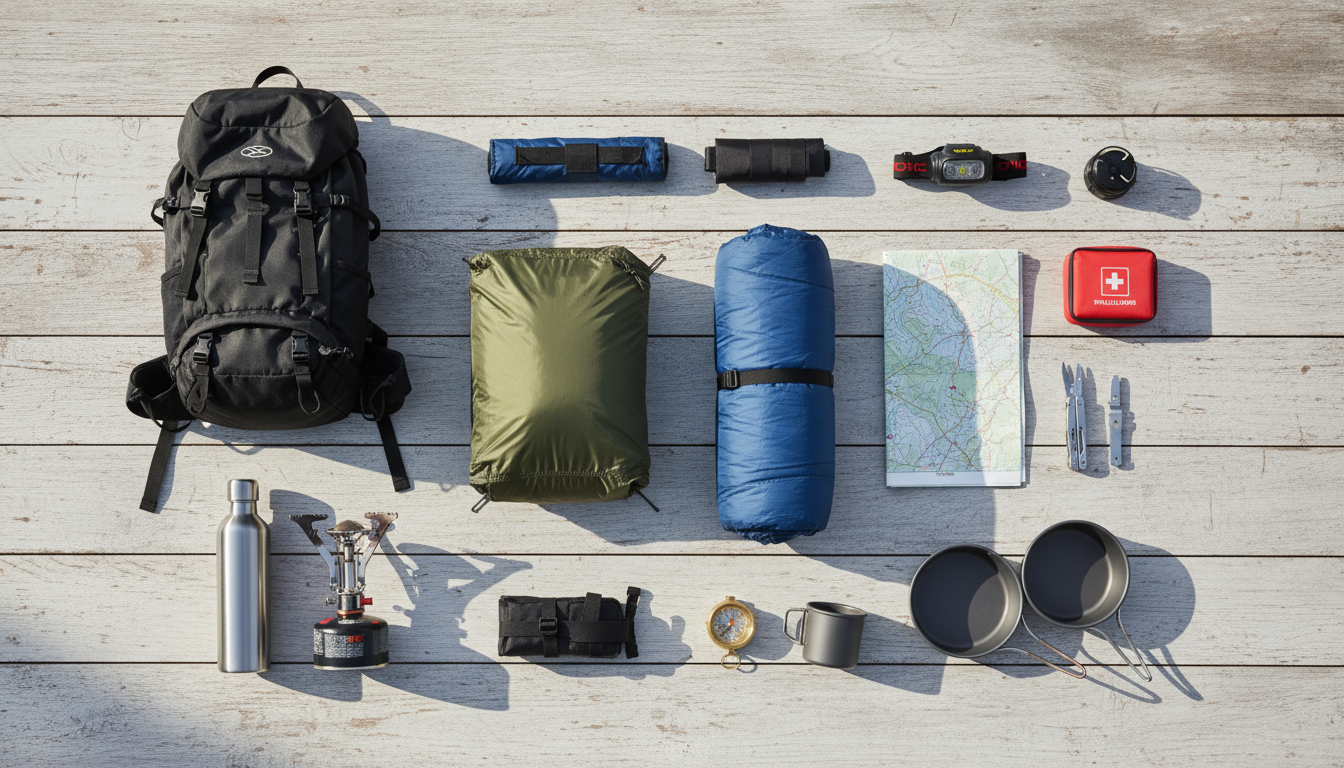
Planning your first solo camping adventure can feel overwhelming, especially when you’re bombarded with endless gear lists and conflicting advice. The truth is, you don’t need to break the bank or carry a 50-pound pack to have a successful first solo camping trip. This comprehensive guide will cut through the marketing hype and help you understand what gear you actually need versus what’s just nice to have.
The Minimalist Approach: Quality Over Quantity
Many first-time solo campers make the mistake of over-packing. The key to a successful first solo camping trip is focusing on the “Big Four” essential categories: shelter, sleep system, cooking, and safety. Everything else is secondary.
Essential Shelter: Your Home Away From Home
Your tent is your most critical piece of equipment. For solo camping, look for a lightweight 1-2 person tent that’s easy to set up alone. Popular options on Amazon include the MC TOMOUNT Backpacking Tent 1-2 Person Waterproof Lightweight Double Layer For about $60 or the Big Agnes Copper Spur HV UL just be mindful this one is on upper price end but is one of the best.
Key features to prioritize:
- Freestanding design (easier solo setup)
- Dual vestibules for gear storage
- Weight under 4 pounds
- Three-season rating minimum
Don’t fall for the misconception that you need a four-season tent unless you’re camping in extreme conditions. A quality three-season tent will handle most weather you’ll encounter on your first solo camping trip.

Sleep System: Comfort Equals Safety
A good night’s sleep isn’t just about comfort—it’s about safety. Poor sleep leads to bad decision-making, which can be dangerous when you’re alone in the wilderness.
Sleeping Bag Selection
Choose a sleeping bag rated 10-15 degrees below the coldest temperature you expect. Down bags offer the best warmth-to-weight ratio but lose insulation when wet. Synthetic bags like the Kelty Cosmic 20 are more forgiving for beginners.
Sleeping Pad Importance
Never underestimate your sleeping pad. It provides crucial insulation from the cold ground. Closed-cell foam pads are bulletproof but less comfortable. Inflatable pads like the Therm-a-Rest NeoAir series offer excellent comfort and packability.
Cooking and Water: Fuel Your Adventure
Stove Systems for Solo Camping
For your first solo camping trip, a simple canister stove is your best bet. The Jetboil Flash or MSR PocketRocket 2 are excellent choices that boil water quickly and pack small. but if you really want the best cooking gear the is where you can find it.
Cooking misconceptions to avoid:
- You don’t need elaborate cookware sets
- A single lightweight pot and spork are sufficient
- Pre-packaged meals save time and reduce cleanup
Water Treatment Options
Clean water is non-negotiable. Lightweight options include:
- Water purification tablets (backup option)
- UV sterilizers like the SteriPEN
- Lightweight filters such as the Sawyer Mini
Safety and Navigation Essentials
Solo camping requires extra attention to safety. Your gear should help you handle emergencies and navigate confidently.
Communication and Emergency Gear
Consider these essential safety items:
- Personal locator beacon (PLB) or satellite communicator
- First aid kit (Adventure Medical Kits makes excellent options)
- Emergency whistle
- Multi-tool or knife
- Headlamp plus backup flashlight
Navigation Tools
Don’t rely solely on your smartphone. Carry:
- Detailed topographic maps
- Compass (Silva or Suunto models available on Amazon [INSERT YOUR AMAZON AFFILIATE LINK])
- GPS device as backup
Clothing: The Layer System
Proper clothing can make or break your trip. Follow the three-layer system:
- Base layer: Moisture-wicking materials (avoid cotton)
- Insulating layer: Fleece or down jacket
- Shell layer: Waterproof/breathable jacket and pants
Merino wool base layers from brands like Smartwool [INSERT YOUR AMAZON AFFILIATE LINK] offer excellent odor resistance for multi-day trips.
Common Gear Misconceptions Debunked
“I Need the Most Expensive Gear”
Reality: Mid-range gear often provides the best value. You don’t need top-tier equipment for your first few trips.
“More Gear Means More Safety”
Reality: Knowing how to use less gear properly is safer than carrying equipment you don’t understand.
“I Can Save Weight by Skipping Safety Items”
Reality: Safety gear is non-negotiable for solo camping. Cut weight elsewhere.
Budget-Friendly Alternatives
Starting your solo camping journey doesn’t require a massive investment. Consider these money-saving strategies:
- Buy used gear from reputable sources
- Start with borrowed equipment to test preferences
- Focus on the Big Four first, add accessories later
- Check Amazon’s outdoor recreation deals regularly
Seasonal Considerations
Your gear needs vary significantly by season:
Spring/Summer: Focus on rain protection and ventilation Fall: Add insulation layers and consider a warmer sleeping bag Winter: Requires specialized gear and experience—not recommended for first-timers
Creating Your Gear Checklist
For your first solo camping trip, create a personalized checklist based on:
- Trip duration
- Expected weather
- Your experience level
- Available budget
Start with day hikes and car camping to test your gear before committing to longer solo adventures.
Final Thoughts: Start Simple, Build Experience
The best gear for your first solo camping trip is equipment you understand and trust. Start with quality basics, learn how each piece works, and gradually upgrade based on your actual needs rather than perceived requirements.
Remember, thousands of people enjoy solo camping safely every year with relatively simple gear. Focus on the fundamentals, practice using your equipment, and let your experience guide future purchases.
Your first solo camping trip should be about connecting with nature and building confidence, not worrying about whether you have the latest gadgets. Keep it simple, stay safe, and enjoy the incredible freedom that solo camping provides.
Post Disclaimer
This site contains affiliate links (including Amazon) and uses Google AdSense. Purchases through links may earn a commission at no extra cost to you. Ads may be personalized.