
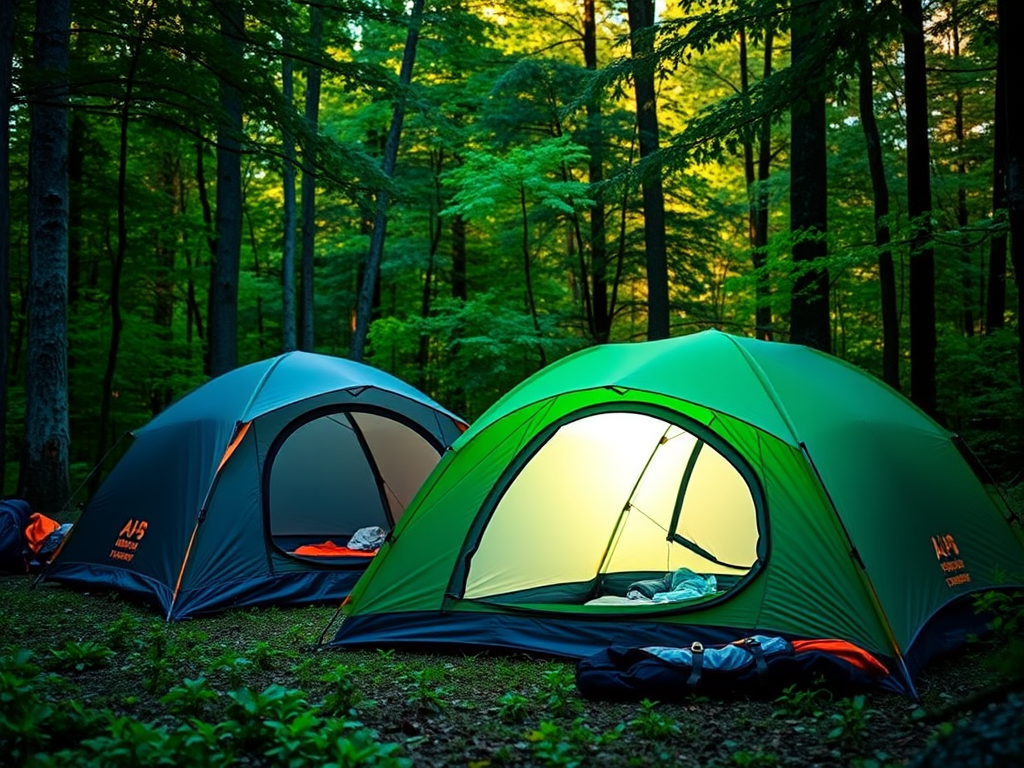
Compact, beginner-friendly tents for solo campers
Solo camping is one of the most rewarding ways to connect with nature—but a bad tent can ruin the experience. For beginner campers, the challenge is finding a compact, durable, and affordable solo tent that fits under $100. Thankfully, in 2025 there are several options that balance cost, functionality, and comfort.
In this guide, we’ll explore the best budget solo tents under $100, with direct Amazon links for easy purchase, detailed pros and cons, and expert tips for choosing the right tent for your adventures.
Quick Comparison Table: Top Budget Solo Tents Under $100
| Tent | Approx Price | Weight | Best Use |
|---|---|---|---|
| ALPS Mountaineering Lynx 1-Person | $70–$95 | Moderate | Beginner solo camping, car + backpack combos |
| Naturehike Cloud-Up 1 Person | $80–$110 (often under $100 on sale) | Light | Backpacking, lightweight hiking |
| GEERTOP Ultralight 1-Person Bivy | $25–$95 | Very Light | Minimalists, ultralight / tight budgets |
1) ALPS Mountaineering Lynx 1-Person Backpacking Tent — Best Overall Budget Solo Tent

Purchase on Amazon for: Price: ~$70–$95
The ALPS Lynx 1 is widely recommended as a value-packed solo tent. It offers a freestanding dome structure with color-coded poles for easy setup, a small vestibule for gear storage, and a rainfly plus bathtub floor for three-season protection.
This tent is roomy enough for one person and a backpack, yet compact enough to carry comfortably. It’s a great introduction for beginners who want a reliable, affordable shelter without unnecessary complexity.
Pros:
- Easy and fast to pitch — beginner-friendly.
- Adequate interior space for one person + pack.
- Durable rainfly and bathtub floor offer solid weather protection.
Cons:
- Heavier and bulkier than ultralight models.
- Materials aren’t premium — careful handling is recommended.
Who it’s for: Solo campers seeking a reliable, midweight tent for weekend trips or car-to-trail adventures.
2) Naturehike Cloud-Up 1 Person Lightweight Backpacking Tent — Best Lightweight Option (Under $100 on Sale)

Purchase on Amazon for: Price: ~$80–$110 (frequently drops under $100 on sale)
The Naturehike Cloud-Up 1-Person tent is designed for hikers who prioritize weight and packability. It features a compact freestanding structure, lightweight poles, and a small vestibule for gear. The tent provides good ventilationand waterproof coating for typical three-season use.
This tent is ideal for backpacking trips where you need a small footprint and reduced load. When on sale, it falls under the $100 budget, making it a great value for a high-quality lightweight option.
Pros:
- Lightweight and easy to carry.
- Compact packed size fits easily in most backpacks.
- Ventilated design reduces condensation inside the tent.
Cons:
- MSRP can exceed $100 — best to watch for sales.
- Lighter materials may require extra care to avoid punctures.
Who it’s for: Hikers and solo backpackers who want packability and minimal weight without spending premium prices.
3) GEERTOP Ultralight 1-Person Bivy / Solo Tent — Best Ultra-Budget Option

Purchase on Amazon for: Price: ~$25–$95
For the most budget-conscious campers, GEERTOP ultralight bivy tents offer extreme portability and affordability. These tents are minimalistic: a simple single-person shelter with a lightweight rainfly and floor.
They are perfect for short hikes, emergency shelters, or beginners testing solo camping. While smaller and less comfortable than dome tents, they provide shelter from rain and wind and are extremely compact.
Pros:
- Extremely affordable — ideal for beginners.
- Very light and compact for backpacking or emergencies.
- Easy to carry and store.
Cons:
- Less interior space — minimal comfort.
- Build quality varies across sellers — check recent reviews.
Who it’s for: Beginners, ultralight hikers, or anyone testing solo camping on a tight budget.
Buying Guide: How to Choose a Budget Solo Tent
- Weight & Packed Size: For backpacking, keep your tent light. Dome tents like the ALPS Lynx are slightly heavier but more comfortable. Ultralight bivys are best for minimalists.
- Ease of Setup: Look for color-coded poles, freestanding designs, and simple clips. Practice at home before your first trip.
- Weather Protection: Make sure the tent has a rainfly, bathtub floor, and adequate ventilation. Three-season tents are ideal for spring through fall.
- Interior Space: Check that the tent fits you comfortably with your backpack inside or just outside the vestibule.
- Budget: Watch for seasonal sales to get tents like the Naturehike Cloud-Up under $100.
Tips for Using Your Budget Solo Tent
- Pitch at home first to practice setup and avoid confusion on the trail.
- Use a footprint or tarp to protect the floor from rocks and moisture.
- Guy out the fly to stabilize the tent in wind or light rain.
- Keep gear in vestibule to maximize sleeping space.
- Maintain your tent: air it out after use and avoid dragging over rough terrain.
Conclusion
Solo camping doesn’t require expensive gear. With careful selection, you can get a compact, reliable, and beginner-friendly tent under $100.
- ALPS Lynx 1-Person Tent: Best overall for comfort and reliability.
- Naturehike Cloud-Up 1-Person Tent: Best lightweight option when on sale.
- GEERTOP Ultralight 1-Person Tent: Best ultra-budget / minimalist choice.
All three options are available on Amazon — click the product titles above to check current pricing, availability, and reviews. Your first solo camping trip can be affordable and enjoyable without compromising safety or shelter.
Tips for Making the Most of Your Budget Solo Tent
- Practice setup at home before your trip – this reduces setup time in the field.
- Use a footprint or tarp under your tent if not included – adds protection for the floor and improves durability.
- Guy-out your rainfly even if it’s “good weather” – winds and rain can sneak in.
- Pack smart – stash gear in the vestibule to keep the sleeping area clear and maximise comfort.
- Mind maintenance – budget tents may use lighter materials, so avoid dragging through sharp rocks or leaving damp. Air out your tent after trips to reduce mildew and wear.
Final Thoughts
Getting a dependable solo tent for under $100 is entirely possible in 2025 — you don’t need to spend $300+ to get comfortable shelter. The three picks above cover a range of budgets and priorities:
- If you want the most features and reliability, go with Model A.
- If your focus is weight and packability, Model B is a smart choice.
- And if your budget is tight and you mainly camp casually, Model C offers amazing value.
No matter which you choose, the most important part is to get outside and use it. Tent specifications matter, but so does experience. Beginner solo campers often say the moment they feel safe, comfortable and dry in their shelter — it changes how they view the outdoors.
👉 Click one of the product links to check latest pricing, reviews, and availability on Amazon (remember: affiliate tag included). Your budget solo tent is out there — now go claim it and hit the trail!
You may also find Top 5 Affordable Sleeping Bags for Solo Hikers Useful!
Affiliate Note:
If you buy via the Amazon links above, I may earn a small commission at no extra cost to you. Thanks for supporting the site and supporting more gear reviews like this.
Post Disclaimer
This site contains affiliate links (including Amazon) and uses Google AdSense. Purchases through links may earn a commission at no extra cost to you. Ads may be personalized.