
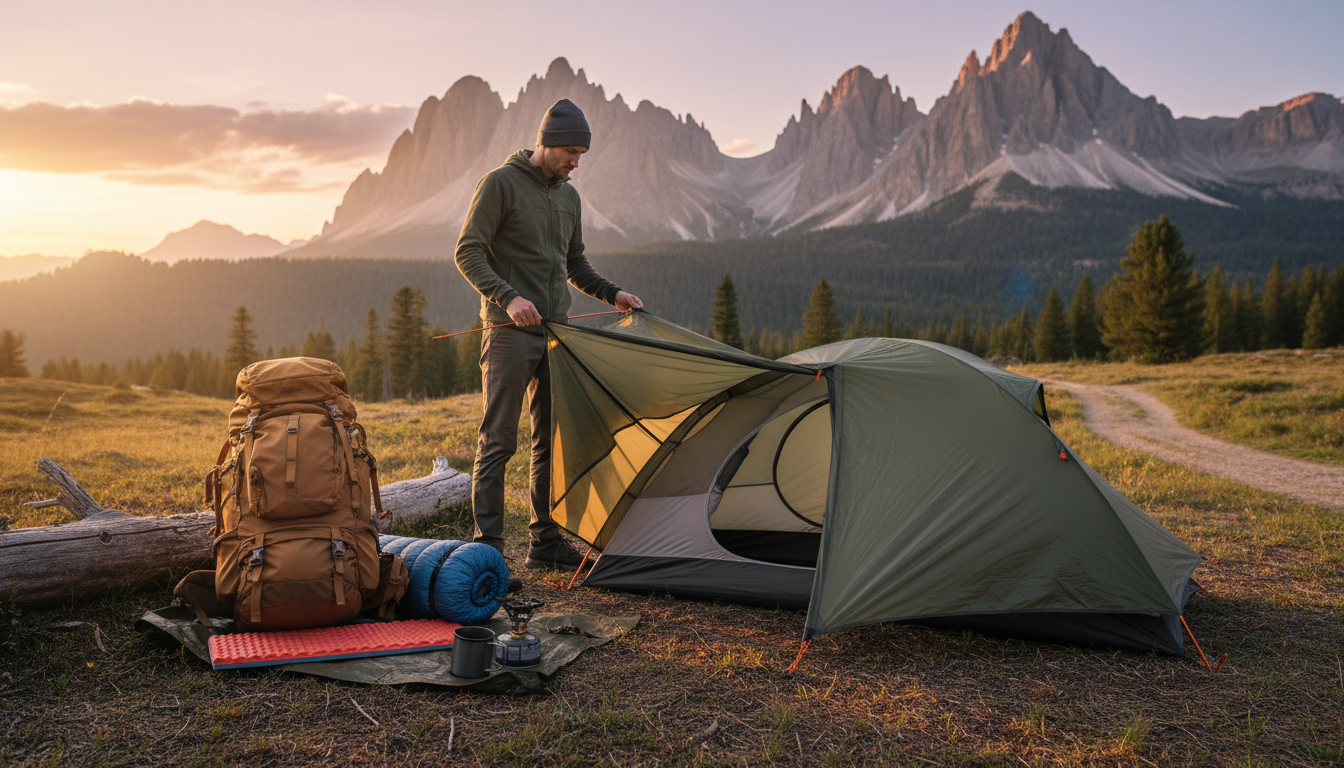
Embarking on your first solo camping adventure is an exciting milestone, but selecting the perfect shelter can feel overwhelming. How to choose the right tent for your first solo camping trip is one of the most crucial decisions you’ll make, as your tent will be your home away from home in the wilderness. This comprehensive guide will walk you through everything you need to know to make an informed decision that ensures comfort, safety, and memorable outdoor experiences.
Understanding Solo Camping Tent Requirements
Solo camping presents unique challenges that differ significantly from group camping. When you’re venturing into the wilderness alone, your tent becomes more than just a place to sleep—it’s your sanctuary, storage space, and protection from the elements. The key is finding a balance between weight, durability, space, and weather protection.
Unlike larger family tents, solo camping tents prioritize portability and ease of setup. You’ll be carrying everything on your back, so every ounce matters. Additionally, you’ll need to set up camp independently, making user-friendly designs essential for a successful trip.
How to Choose the Right Tent for Your First Solo Camping Trip: Key Factors
Tent Capacity and Size
For solo camping, a 1-person or 2-person tent is typically ideal. While a 1-person tent offers maximum weight savings, a 2-person tent provides extra space for gear storage and movement comfort. Consider that tent manufacturers often rate capacity based on minimal sleeping space, so a 2-person tent gives you room to spread out.
Popular options on Amazon include ultralight 1-person backpacking tents that weigh under 2 pounds, perfect for minimalist hikers. These compact shelters often feature innovative pole designs and high-quality materials that maximize interior space while minimizing packed size.
Weight and Portability
Weight is critical for solo backpackers. Aim for a tent weighing between 1-4 pounds, depending on your hiking style and distance. Ultralight tents under 2 pounds are available for serious weight-conscious campers, while more robust options in the 3-4 pound range offer additional durability and comfort.
Many Amazon bestsellers in the solo tent category feature advanced materials like silnylon or Dyneema, which provide excellent strength-to-weight ratios. These materials, while more expensive, can significantly reduce your pack weight without compromising protection.
Weather Protection and Seasonality
Consider the conditions you’ll encounter when learning how to choose the right tent for your first solo camping trip. Three-season tents handle spring, summer, and fall conditions well, offering good ventilation and weather protection. Four-season tents are designed for winter camping and extreme conditions but are typically heavier and more expensive.
Look for tents with full rainflies, sealed seams, and waterproof ratings of at least 1,500mm for the floor and 1,000mm for the fly. Many highly-rated tents on Amazon feature these specifications and include additional features like vestibules for gear storage.
Types of Solo Camping Tents
Backpacking Tents
Backpacking tents are the gold standard for solo camping, designed specifically for weight-conscious adventurers. These tents typically feature:
- Lightweight materials and construction
- Compact packed size
- Quick setup systems
- Excellent weather protection
- Minimal interior space optimization
Premium backpacking tents available through major retailers often incorporate cutting-edge materials and designs developed for professional mountaineers and thru-hikers.
Ultralight Tents
For the ultimate in weight savings, ultralight tents push the boundaries of minimalism. These shelters often weigh less than 2 pounds and pack down to the size of a water bottle. However, they require careful handling and may sacrifice some durability for weight reduction.
Bivy Sacks and Tarp Tents
Bivy sacks offer the ultimate minimalist shelter, essentially a waterproof sleeping bag cover. Tarp tents provide more space while maintaining low weight. Both options require more camping experience but offer unmatched weight savings for solo adventurers.
Essential Features to Consider
Setup and Ease of Use
When you’re camping solo, you need a tent you can set up quickly and easily, even in challenging conditions. Look for:
- Color-coded poles and clips
- Freestanding designs that don’t require guylines
- Simple pole configurations
- Clear setup instructions
Many popular Amazon tent models feature innovative hub systems and pre-attached guylines that streamline the setup process, crucial when you’re setting up camp alone in fading daylight.
Ventilation and Condensation Management
Proper ventilation prevents condensation buildup, which can make your camping experience miserable. Quality solo tents feature:
- Multiple vents near the ground and peak
- Mesh panels for airflow
- Vestibules that can be opened for cross-ventilation
- Interior fans or vents
Storage and Organization
Solo campers need efficient gear organization within limited space. Look for tents with:
- Interior pockets for small items
- Gear lofts for lightweight equipment
- Vestibules for boots and wet gear
- Attachment points for hanging organizers
Budget Considerations and Value
Solo camping tents range from budget-friendly options under $100 to premium models exceeding $500. For first-time solo campers, a mid-range tent ($150-$300) typically offers the best balance of features, durability, and value.
Budget tents can work for occasional use but may lack advanced materials and features. Premium tents offer cutting-edge technology and materials but may be overkill for beginners. Many excellent mid-range options are available on Amazon with thousands of positive reviews from verified purchasers.
Top Features for Beginner Solo Campers
Weather Resistance
Your first solo camping tent should handle unexpected weather changes. Essential weather features include:
- Full-coverage rainfly
- Bathtub-style floor with raised edges
- Storm guy-out points
- Wind-resistant design
Durability and Construction Quality
Look for tents with:
- Reinforced stress points
- Quality zippers (YKK is preferred)
- Ripstop fabric construction
- Strong pole materials (aluminum is ideal)
Many highly-rated tents on Amazon feature these construction elements and come with manufacturer warranties, providing peace of mind for new solo campers.
Maintenance and Care Tips
Proper tent care extends its lifespan and ensures reliable performance:
- Always dry your tent completely before storage
- Clean with mild soap and water when needed
- Store in a loose stuff sack or hung up
- Inspect and repair small damages promptly
- Re-waterproof as needed with appropriate treatments
Making Your Final Decision
How to choose the right tent for your first solo camping trip ultimately depends on your specific needs, budget, and camping style. Consider these final factors:
- Your typical camping destinations and seasons
- How much weight you’re comfortable carrying
- Your experience level with outdoor gear
- Budget constraints and long-term camping goals
Start with a versatile, mid-range tent that can handle various conditions. As you gain experience, you can always upgrade to more specialized equipment.
Conclusion
Selecting the perfect tent for your first solo camping adventure doesn’t have to be overwhelming. By focusing on the key factors outlined in this guide—weight, weather protection, ease of setup, and value—you’ll find a shelter that enhances your outdoor experiences rather than hindering them.
Remember that how to choose the right tent for your first solo camping trip is ultimately about finding the right balance for your specific needs. Whether you opt for an ultralight backpacking tent, a spacious 2-person shelter, or something in between, the most important thing is getting out there and starting your solo camping journey.
Take time to read reviews, compare specifications, and consider your camping goals. Many excellent options are available through major retailers, with detailed customer feedback to help guide your decision. Your perfect solo camping tent is out there—now you have the knowledge to find it.
Post Disclaimer
This site contains affiliate links (including Amazon) and uses Google AdSense. Purchases through links may earn a commission at no extra cost to you. Ads may be personalized.