
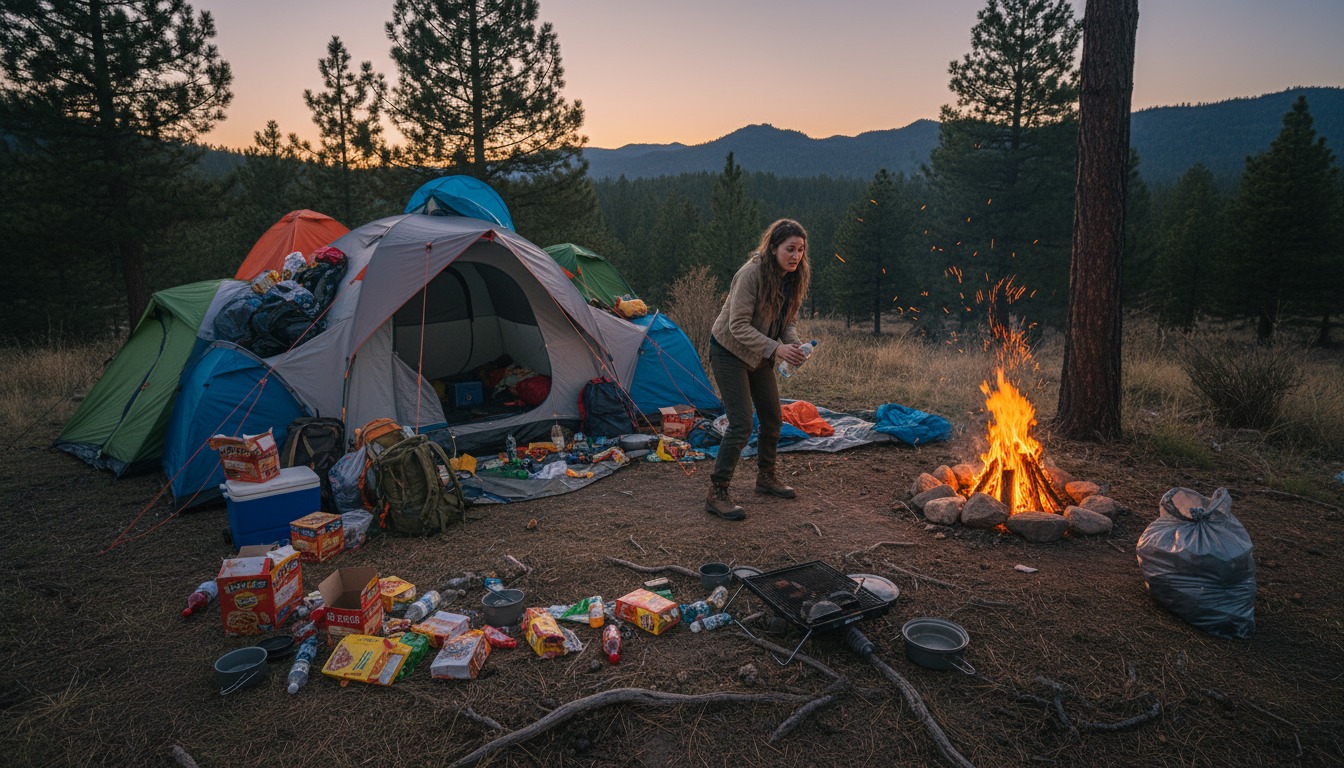
Camping can be one of life’s most rewarding experiences, offering a chance to disconnect from the digital world and reconnect with nature. However, for beginners, the learning curve can be steep, and small oversights can quickly turn a dream getaway into a nightmare. Whether you’re planning your first tent camping adventure or looking to improve your outdoor skills, understanding common beginner camping mistakes can save you time, money, and frustration.
The good news? Most camping blunders are easily preventable with proper preparation and the right gear. In this comprehensive guide, we’ll explore 30 of the most frequent errors new campers make and provide practical, budget-friendly solutions to help you avoid them.
Planning and Preparation Mistakes
1. Not Researching Your Campground
Many first-time campers assume all campgrounds are created equal. Failing to research amenities, rules, and terrain can lead to unpleasant surprises.
Fix: Check campground websites, read reviews, and call ahead to understand facilities, check-in times, and any restrictions. Look for details about water access, restroom facilities, and fire regulations.
2. Overpacking Unnecessary Items
Beginners often bring everything “just in case,” leading to cluttered campsites and heavy loads.
Fix: Create a detailed packing list and stick to it. Focus on multi-purpose items like a quality camping knife from Amazon that can handle food prep, rope cutting, and basic repairs.
3. Underpacking Essential Items
Conversely, forgetting crucial items like first aid supplies or weather protection can ruin your trip.
Fix: Use a camping checklist app or printable list. Essential categories include shelter, clothing, food, safety, and tools.
4. Not Checking Weather Forecasts
Weather can change rapidly in outdoor environments, and being unprepared for rain, wind, or temperature drops is a classic beginner camping mistake.
Fix: Check forecasts for your entire trip duration and pack accordingly. Consider a reliable weather radio available on Amazon for remote areas without cell service. Also don’t forget to check weather.com
Amazon Weather Radio, a must have at $29.99!

5. Booking Last-Minute During Peak Season
Popular campgrounds fill up months in advance, especially during summer and holidays.
Fix: Book reservations 3-6 months ahead for peak seasons. Have backup locations ready in case your first choice is unavailable.
Gear and Equipment Errors
6. Buying Cheap, Low-Quality Gear
While budget-friendly options exist, extremely cheap gear often fails when you need it most.
Fix: Invest in quality basics like a good tent, sleeping bag, and cooking equipment. Amazon offers excellent mid-range options that balance quality and affordability.
7. Not Testing Gear Before Your Trip
Setting up your tent for the first time at your campsite in the dark is a recipe for disaster.
Fix: Practice setting up all equipment at home. Test your camp stove, inflate your sleeping pad, and familiarize yourself with all gear functions.
8. Choosing the Wrong Tent Size
Many beginners underestimate space needs or choose tents that are difficult to set up.
Fix: Choose a tent rated for one more person than you actually need. A 3-person tent for 2 people provides comfortable space for gear and movement.
9. Forgetting Backup Power Sources
Dead phone batteries can be problematic for navigation, emergency communication, and entertainment.
Fix: Bring portable power banks, solar chargers, or battery packs. Many reliable options are available on Amazon with multiple USB ports for charging several devices.
10. Not Bringing Proper Lighting
Relying solely on phone flashlights leaves you vulnerable if your device dies.
Fix: Pack multiple light sources: headlamps for hands-free use, lanterns for area lighting, and backup flashlights with extra batteries.
Campsite Setup Mistakes
11. Poor Tent Placement
Setting up in low-lying areas, under dead branches, or on uneven ground creates safety and comfort issues.
Fix: Choose level, elevated ground away from water runoff paths. Clear rocks and debris, and avoid camping under dead trees or loose branches.
12. Not Using a Tarp or Footprint
Placing your tent directly on the ground increases wear and moisture problems.
Fix: Use a tent footprint or tarp slightly smaller than your tent’s base to protect the floor and add insulation. For great Tarps check this out!
13. Inadequate Food Storage
Improper food storage attracts wildlife and can result in contaminated or stolen food supplies.
Fix: Use bear canisters in bear country, hang food properly, or store everything in your vehicle. Airtight containers from Amazon help keep food fresh and scent-free.
14. Creating Fire Hazards
Building fires too close to tents, trees, or in windy conditions poses serious safety risks.
Fix: Use established fire rings, keep fires small, and maintain a water source nearby. Never leave fires unattended, and ensure complete extinguishment before sleeping.
15. Not Securing Your Campsite
Loose items can blow away in wind or attract curious wildlife.
Fix: Secure or store all loose items. Use bungee cords, clips, and storage containers to keep your campsite organized and protected.
Food and Cooking Blunders
16. Bringing Complicated Meals
Attempting elaborate cooking projects while camping often leads to frustration and poor results.
Fix: Plan simple, one-pot meals that require minimal prep and cleanup. Pre-cut vegetables and marinate meats at home to save time and effort.
17. Not Bringing Enough Water
Underestimating water needs for drinking, cooking, and cleaning is a dangerous beginner camping mistake.
Fix: Plan for at least one gallon per person per day. Bring water purification tablets or a quality filter system as backup for longer trips.
18. Forgetting a Can Opener
Few things are more frustrating than canned food you can’t open.
Fix: Pack a reliable manual can opener and consider a multi-tool that includes one. Keep it easily accessible in your cooking kit.
19. Not Planning for Food Spoilage
Without proper cooling, food spoils quickly, especially in warm weather.
Fix: Use a quality cooler with plenty of ice, pack frozen water bottles, and plan to eat perishables first. Consider freeze-dried meals from Amazon for longer trips.
20. Inadequate Cleanup Supplies
Poor cleanup leads to messy campsites and attracts unwanted wildlife.
Fix: Bring biodegradable soap, scrubbers, trash bags, and paper towels. Pack out all trash and clean cooking equipment thoroughly.
Safety and Navigation Errors
21. Not Informing Others of Your Plans
Failing to share your itinerary with someone reliable can delay rescue efforts if problems arise.
Fix: Leave detailed plans with a trusted contact, including campground information, expected return date, and emergency contacts.
22. Relying Solely on GPS
Electronic devices can fail, lose signal, or run out of battery in remote areas.
Fix: Carry physical maps and a compass as backup navigation tools. Learn basic orienteering skills before your trip.
23. Inadequate First Aid Preparation
Minor injuries become major problems without proper first aid supplies and knowledge.
Fix: Pack a comprehensive first aid kit and learn basic wilderness first aid. Many pre-assembled kits on Amazon include essential supplies for common camping injuries.
24. Ignoring Wildlife Safety
Approaching wildlife or failing to secure food properly can create dangerous situations.
Fix: Research local wildlife, maintain safe distances, and follow all food storage guidelines. Never feed wild animals.
25. Not Having Emergency Communication
Cell service is often unreliable in remote camping areas.
Fix: Consider a satellite communicator or emergency beacon for remote locations. Personal locator beacons available on Amazon can be lifesavers in true emergencies.
Comfort and Sleep Issues
26. Choosing the Wrong Sleeping System
Poor sleep ruins camping experiences and affects safety and enjoyment.
Fix: Invest in a quality sleeping bag rated for expected temperatures and a comfortable sleeping pad for insulation and cushioning.
27. Not Preparing for Temperature Changes
Nights can be surprisingly cold, even in summer, and mornings may be chilly and damp.
Fix: Pack layers including warm clothing for evening and early morning. A fleece jacket or down vest takes minimal space but provides significant warmth.
28. Forgetting Personal Comfort Items
Small comfort items can significantly improve your camping experience.
Fix: Bring camp chairs, pillows, or inflatable cushions. A portable camping shower or wet wipes help maintain hygiene and comfort.
Common Rookie Mistakes to Avoid
29. Arriving After Dark
Setting up camp in darkness is challenging and potentially dangerous, especially for beginners.
Fix: Plan to arrive with at least 2 hours of daylight remaining. This allows time for setup, familiarization with the area, and relaxation before dark.
30. Not Having a Backup Plan
Weather, equipment failure, or other issues can force plan changes.
Fix: Research alternative campgrounds, have indoor accommodation options identified, and maintain flexibility in your schedule.
Budget-Friendly Solutions for Common Problems
Avoiding beginner camping mistakes doesn’t require expensive gear overhauls. Many solutions are surprisingly affordable:
- Multi-purpose items: Choose gear that serves multiple functions to reduce pack weight and cost
- DIY solutions: Make your own fire starters, first aid kits, and camp organizers
- Quality basics: Invest in essential items like shelter and sleep systems while economizing on accessories
- Seasonal shopping: Purchase gear during off-season sales and clearance events
Amazon offers excellent value options for most camping needs, from basic cooking equipment to emergency supplies. Building your camping kit gradually allows you to spread costs over time while learning what gear works best for your camping style.
Conclusion
Camping mistakes are part of the learning process, but avoiding the most common beginner camping mistakes can dramatically improve your outdoor experiences. By planning thoroughly, choosing appropriate gear, and preparing for various scenarios, you’ll build confidence and skills that enhance every future adventure.
Remember that even experienced campers continue learning and adapting their techniques. Start with shorter, easier trips close to home, gradually building your skills and gear collection. Most importantly, maintain a positive attitude and sense of humor – even when things don’t go perfectly according to plan.
The investment in proper preparation and quality gear pays dividends in safety, comfort, and enjoyment. With these tips and solutions, you’re well-equipped to avoid the most frustrating camping pitfalls and create memorable outdoor experiences that will last a lifetime.
Post Disclaimer
This site contains affiliate links (including Amazon) and uses Google AdSense. Purchases through links may earn a commission at no extra cost to you. Ads may be personalized.