
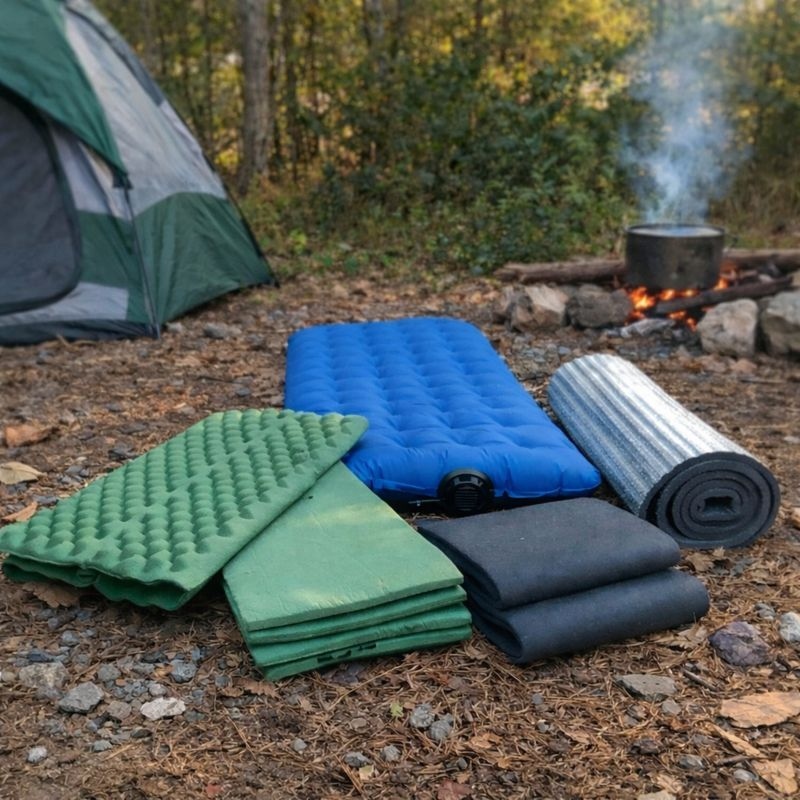
If you’re hunting for the Best Sleeping Pads Under $30, you’re probably in the same boat I was: you don’t need “luxury,” you just want to stop feeling every root and rock like it’s personal 😅. The good news is there are budget pads that actually do the job—if you shop smart and know what you’re giving up (and what you’re not).
Below are 5 real, budget-friendly options that are commonly found on Amazon and make sense for car camping, casual backpacking, festivals, and “I just need sleep” nights. I’ll also show you what to prioritize, what to avoid, and how to squeeze more warmth and comfort out of a cheap setup 🌲🔥
Table of Contents
- My quick “learned it the hard way” story
- What to look for in the Best Sleeping Pads Under $30
- Comparison table (price, weight, materials, best use)
- Reviews: 5 Best Sleeping Pads Under $30 (Amazon picks)
- Cheap-pad tips that make a big difference
- Summary + soft next step
My quick “learned it the hard way” story
My first “budget sleeping pad” was basically a glorified yoga mat. I told myself, “It’s fine, I’ll be tired, I’ll sleep.”Spoiler: I slept… kinda. Woke up with my hip numb, my shoulder sore, and my morale in the dirt.
The lesson I took from that trip: cheap pads can work, but only if you match the pad to your style of camping. Side sleeper? You need thickness or a smarter foam shape. Cold ground? You need insulation (or at least a foam layer). Hate fussing with air? Foam is your friend. Once I started thinking like that, my “under $30” buys stopped being wasted money.
What to look for in the Best Sleeping Pads Under $30
1) Comfort isn’t just thickness
Thickness helps, but shape matters too:
- Egg-crate / accordion foam can feel softer than flat foam at the same thickness.
- Air-cell designs can spread pressure better for hips and shoulders.
2) Warmth: foam usually wins at this price
Cheap inflatables often feel comfy but can sleep cooler if they don’t have real insulation. Foam pads are boring, but they’re consistent—especially on chilly ground.
3) Pack size + setup time
Be honest about how you camp:
- Car camping: bulk is fine, comfort matters.
- Backpacking: weight and pack size matter a lot.
- Quick overnights: you want simple, fast setup (foam shines here).
4) Durability and “failure mode”
Foam pads fail slowly (they get squished over time). Inflatables can fail instantly (tiny leak = long night). Under $30, that’s a big deal.
Comparison table (price, weight, materials, best use)
Note on pricing: Under-$30 gear swings a lot by color, size, sales, and seller. I’m listing typical ranges you’ll commonly see for these models, but always double-check the current Amazon price before you buy.
| Sleeping Pad | Typical price range | Weight | Materials | Best use case | Notable pros |
|---|---|---|---|---|---|
| Coleman River Rest | $25–$30 | 0.9 lb | Listed material: polyester; folding foam design | Car camping, festivals, backup pad | Egg-crate comfort + insulates (R-value 1.8) |
| Therm-a-Rest RidgeRest Classic (Regular/Large) | $20–$30 (often size-dependent) | Regular: 14 oz; Large: 19 oz | Polyethylene (cross-linked) | Budget backpacking, ultrareliable layer | Tough as nails, R-value 2.0 |
| Wakeman Set of 2 Foam Mats | $20–$30 | 2.0 lb (set) | NBR foam | Car camping, kids, loaners | You get two pads, waterproof |
| FUN PAC Inflatable (built-in pump) | $25–$30 | 1.98 lb | Nylon with TPU inner coating; built-in pump | Comfort-first camping, side sleepers | 3″ thick, wide, built-in pump |
| ALPS Reclaimed Foldable Foam Mat | $20–$30 | 26 oz | Foldable foam mat | Backpacking-ish, minimalist comfort | Compact fold + simple setup |
Reviews: 5 Best Sleeping Pads Under $30 (Amazon picks)
1) Coleman River Rest Folding Foam Pad

This is one of those “boring but good” budget pads—and honestly, those are the ones I trust most when money is tight.
What it feels like:
The egg-carton texture gives it a softer feel than flat foam. It won’t turn rocky ground into a mattress, but it does take the sting out of it. I also like that it folds up fast—no rolling wrestling match in the morning.
My personal quirk/observation:
It’s the pad I keep around for “surprise camping” invites. It’s not fancy, but it’s the one that always ends up in my trunk because I know it’ll work.
Pros (real-world):
- Light for foam (under a pound) and easy to carry
- Egg-crate pattern helps with pressure points more than you’d expect
- Has an insulating foam rating listed as R-value 1.8 (nice at this price)
- Accordion fold = fast setup, fast pack-up
Cons (real-world):
- Thin (0.6″) means side sleepers may still feel hips/shoulders on hard ground
- Not water resistant (so don’t leave it sitting in puddles all night)
- Width is fine, but not “luxury wide”
Best for:
- Budget car campers
- Festivals / sleepovers / backup pad
- Anyone who hates inflating and worrying about leaks
Specs (from listing):
- Size: 73″ x 23″ x 0.6″
- Weight: 0.9 lb
- Listed material: polyester
2) Therm-a-Rest RidgeRest Classic (Foam)

If you want a foam pad that’s basically “set it and forget it,” this is the classic for a reason. It’s the one you see strapped to packs because it’s dependable and doesn’t baby you.
What it feels like:
Firm. Supportive. Not plush. But on uneven ground it does a surprisingly good job because the ridges create little pockets and reduce “hard contact” points.
My personal quirk/observation:
I’ve watched this pad survive things that would absolutely destroy an inflatable—sharp gravel, thorny brush, being tossed around like a tortilla. It’s kind of ridiculous.
Pros (real-world):
- Very durable cross-linked polyethylene
- R-value 2.0 is solid for shoulder-season budget camping
- Works as a reliable base layer under another pad (even a cheap inflatable)
- No valves, no leaks, no late-night patching
Cons (real-world):
- Bulky (even if it’s light)
- Comfort is “functional,” not cushy
- Can slide around on some tent floors (easy fix: put it under your sleeping bag or add a thin grippy layer)
Best for:
- Budget backpackers who prioritize reliability
- Minimalists
- People camping on rough ground who don’t want a puncture ruining the trip
Specs (from listing, multiple sizes):
- Regular: 72″ x 20″, 14 oz
- Large: 77″ x 25″, 19 oz
- Material listed: polyethylene (cross-linked)
3) Wakeman Set of 2 Foam Sleeping Mats (0.5″)

This one is sneaky good if you’re outfitting more than one person, or you want a pad you don’t mind lending out. Getting two pads in the box is the whole value play.
What it feels like:
Basic closed-cell foam comfort—simple, predictable, and not fragile. At 0.5″, it’s thinner than some premium foam mats, but still helpful on slightly rough ground.
My personal quirk/observation:
I like these as “utility pads.” One goes under my main pad when it’s cold, or I use one as a sit pad / gear pad. It’s not glamorous, but it’s handy.
Pros (real-world):
- You get two pads (great for couples, kids, friends)
- Waterproof rating listed
- Good for layering: put it under an inflatable for warmth and puncture protection
- Easy to clean and hard to truly “break”
Cons (real-world):
- 0.5″ is thin if you’re a side sleeper on hard ground
- Bulkier than an inflatable
- Comfort is “fine,” not cozy
Best for:
- Car campers
- Families / lending pad
- Layering under an air pad for warmth + protection
Specs (from listing):
- Size: 72″ x 24″ x 0.5″
- Weight: 2.0 lb (listed)
- Material: NBR foam
4) FUN PAC Inflatable Sleeping Pad (Built-in Pump)

If your biggest issue is comfort, this is the style that usually feels the nicest under $30. It’s thicker, wider, and far more forgiving for side sleepers than thin foam.
What it feels like:
More “floating” comfort—3″ thick with an egg-crate-like air cell design. When you dial the firmness right, it does a good job reducing hip and shoulder pressure.
My personal quirk/observation:
The first time I used a built-in foot pump pad, I laughed because it felt like stomping grapes for wine. Weirdly satisfying… until you realize you overinflated and now it feels like sleeping on a firm pool toy 🤦♂️ (easy fix: let a little air out.)
Pros (real-world):
- 3″ thick and wide (27″)—great for side sleepers
- Built-in pump means you don’t need a separate pump sack
- Packs down smaller than foam
- Material callout includes 40D nylon with TPU inner coating
Cons (real-world):
- Inflatable = leak risk (carry a small patch kit)
- Listed weight is heavier than typical backpacking inflatables
- Setup is still slower than foam, especially if you’re tired and just want to crash
Best for:
- Comfort-first campers on a tight budget
- Side sleepers
- Short backpacking trips where comfort matters more than ultralight weight
Specs (from listing):
- Size: 78″ x 27″ x 3″
- Weight: 1.98 lb
- Material: nylon; TPU inner coating mentioned
5) ALPS Mountaineering Reclaimed Foldable Foam Mat

This is a nice middle ground: foldable foam convenience with a more “camping-focused” build than the cheapest generic mats. It’s not thick, but it’s practical.
What it feels like:
Classic foam feel with easy folding. You won’t mistake it for an inflatable, but if you hate air pads and want simple, it’s a calm choice.
My personal quirk/observation:
I like foldable foam mats for one reason: in the morning, I can fold it in 10 seconds while my coffee is brewing. Rolling pads when you’re half-asleep is… not my best hobby 😄
Pros (real-world):
- Quick setup and pack-up (folding is easy)
- Foam is dependable (no punctures)
- Weight is reasonable for a foam option
Cons (real-world):
- Thin compared to inflatables
- Foam bulk is still foam bulk
- Side sleepers may want to layer it with a thin inflatable or use softer ground
Best for:
- Budget campers who want simple
- People who toss and turn and don’t want “air pad bounce”
- Anyone who wants a reliable foam layer for warmth
Specs (from listing):
- Size: 71″ x 22″ x 0.75″
- Weight: 26 oz
Quick mid-article tip (and two useful next reads)
If you’re building a full budget sleep setup, the pad is only half the story. A surprising number of “my sleeping pad failed” nights were really sleeping bag + pad mismatch nights. If you want a super practical pairing guide, check out Best Sleeping Bags Under $50 for Cold Weather—it’ll help you avoid buying a cheap bag that’s warm in theory but miserable at 3am.
And if you’re still torn between foam vs inflatable, this breakdown is worth a read: FoamSleeping Pad vs Inflatable (Budget). It’ll save you from “buying twice” when your camping style doesn’t match the pad type.
What to look for in the Best Sleeping Pads Under $30 (practical checklist)
If you’re a side sleeper
- Choose thicker inflatable (around 3″) or plan to layer foam + inflatable
- Don’t overinflate—slightly softer often feels better
When you camp on cold ground
- Foam helps a lot, even if it’s not thick
- Layering trick: foam pad underneath + inflatable on top = warmer and more puncture-resistant
If you hate gear fuss
- Foam wins. Period.
- Folding foam is faster than roll-up foam in real life (especially when it’s damp)
If you’re trying to pack small
- Inflatable wins for pack size
- Just accept you’re trading some reliability for compact comfort
Cheap-pad tips that make a big difference
- Pick your campsite like it matters: 5 minutes clearing pinecones and micro-leveling the ground saves your hips later.
- Use a thin groundsheet: It reduces abrasion (and helps inflatables live longer).
- Let air out at bedtime: Inflatables feel firmer when fully pumped—release a little for pressure relief.
- Layer smart: Foam under inflatable = warmer + protects the inflatable.
- Bring a patch kit: If you’re using an inflatable under $30, this is non-negotiable.
Summary + soft next step
The Best Sleeping Pads Under $30 aren’t about finding one magical pad—they’re about picking the right type for how you camp:
- Want simple and reliable? Go foam (Coleman River Rest, RidgeRest Classic, Wakeman, ALPS).
- Want maximum comfort per dollar? A thicker budget inflatable like the FUN PAC style can feel noticeably better, especially for side sleepers.
- Camping in cooler conditions? Foam or layering foam + inflatable is the easiest budget “upgrade.”
If you’re considering grabbing one this week, it’s especially worth it if you choose based on your sleep style (side/back), typical temps, and whether you want zero-fuss or small pack size. That’s the difference between “cheap but solid” and “cheap and regretful.”
Post Disclaimer
This site contains affiliate links (including Amazon) and uses Google AdSense. Purchases through links may earn a commission at no extra cost to you. Ads may be personalized.