
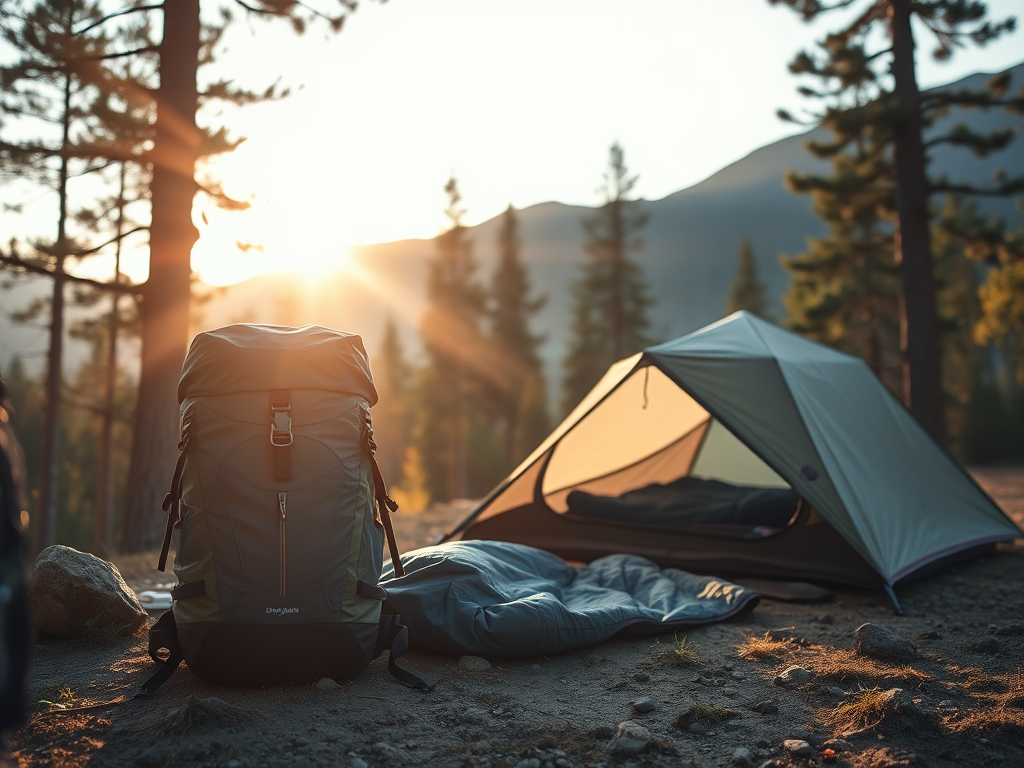
Packing for a solo camping trip can be challenging. You want to bring all the essentials, but carrying too much weight can make the hike exhausting. Knowing how to pack light for a solo camping trip is essential for comfort, safety, and overall enjoyment. In this guide, we’ll share practical strategies, tips, and lightweight gear recommendations, all linked to Amazon using my affiliate ID.
1. Choose the Right Backpack
A high-quality backpack is the backbone of a lightweight camping system. For solo trips, a 30–45L backpack usually suffices.
The Osprey Daylite Plus Backpack is lightweight, has adjustable straps for comfort, and includes multiple compartments to organize your gear efficiently. Its durable design makes it ideal for long hikes while keeping your load manageable.
2. Select a Lightweight Tent or Tarp

For solo campers, you don’t need a large tent. Consider an ultralight one-person tent or a backpacking tarp for versatility and minimal weight.
The Sea to Summit Escapist Tarp is affordable, easy to pitch, and provides reliable shelter from rain and wind. Its compact size allows for quick setup and effortless packing. For additional solo camping gear, check out our guide on budget-friendly flashlights for solo campers. You may especially find this article, Top Ultralight One-Person Backpacking Tarp! The Best Tarps! useful as we are discussing tarps.
3. Sleep System: Sleeping Bag and Pad
A lightweight sleeping system is critical. Select a sleeping bag appropriate for the temperature range and a compact sleeping pad for insulation and comfort.
The Coleman Sleeping Bag is compressible, warm, and ideal for solo campers on a budget.
Pair it with the Therm-a-Rest Z Lite Sleeping Pad, which is lightweight, folds compactly, and provides cushioning against uneven ground. Together, these products make sleeping outdoors comfortable without adding unnecessary bulk to your pack.
The Therm-a-Rest Z Lite Sleeping Pad $49.95

4. Multi-Functional Gear Saves Space
Whenever possible, bring items that serve multiple purposes. This includes:
- Headlamps with flashlight and lantern modes
- Collapsible cookware for meals
- Multi-tools that combine knife, screwdriver, and scissors
A great example is the Leatherman Wingman Multi-Tool. Its multiple functions reduce the number of items you need to carry, saving both space and weight.

5. Minimize Clothing and Use Layers
Clothing often contributes the most to pack weight. Stick to lightweight, moisture-wicking layers and avoid overpacking. A good system includes:
- Base layer: moisture-wicking shirt and underwear
- Mid-layer: fleece or insulated jacket
- Outer layer: waterproof shell
The Columbia Watertight II Jacket is lightweight, water-resistant, and perfect for layering in variable weather.

6. Smart Packing Techniques
Efficient packing reduces both weight and clutter:
- Roll clothing instead of folding
- Use compression sacks for sleeping bags and clothes
- Pack frequently used items near the top
- Keep heavy items close to your back for balance
These simple strategies make a small backpack feel organized and comfortable to carry.
7. Lightweight Food and Hydration
For solo campers, food and water can weigh a lot if not carefully chosen.
- Choose freeze-dried meals or lightweight snacks
- Bring a compact water filter instead of carrying multiple bottles
- Collapsible water bottles save both space and weight
The Sawyer Mini Water Filter is small, easy to use, and allows you to safely drink from streams, reducing the need to carry extra water.

At less than $30 on Amazon this is a must have for any solo camper on a Budget!
8. Backpacks and Gear That Double Up
When packing light, aim for items that serve more than one purpose. For example:
- A backpack with integrated rain cover
- A sleeping pad that can double as a seat
- A headlamp with a red-light mode to preserve night vision
This approach reduces the number of individual items in your pack, keeping your total weight minimal.
9. Final Thoughts
Packing light for a solo camping trip is both an art and a science. Focus on versatile, lightweight gear, layer your clothing wisely, and employ smart packing techniques.
Using products like the Osprey Daylite Plus Backpack, Sea to Summit Escapist Tarp, and Coleman Sleeping Bag allows you to keep your pack light without sacrificing comfort.
Post Disclaimer
This site contains affiliate links (including Amazon) and uses Google AdSense. Purchases through links may earn a commission at no extra cost to you. Ads may be personalized.